
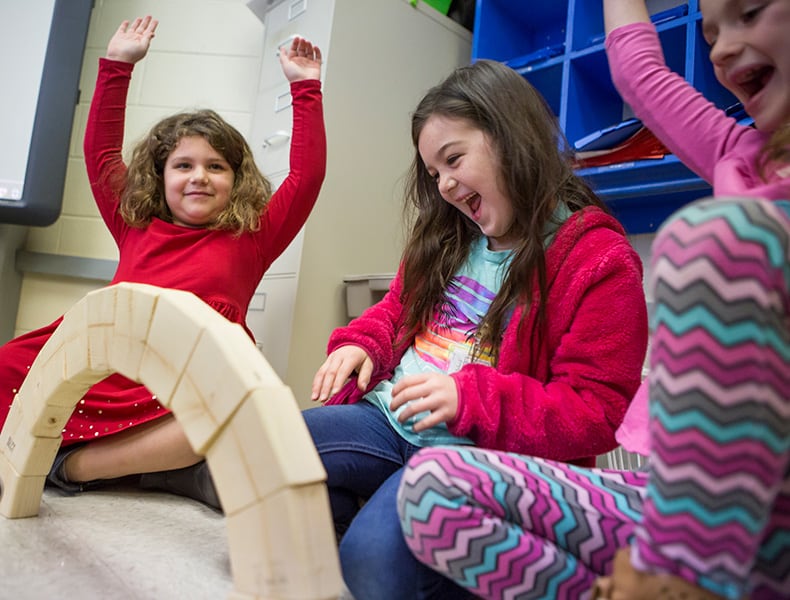
Student Agency in the Primary Years is like giving you the keys to your own learning adventure. It’s all about letting you take the driver’s seat in your education. Imagine having the power to choose what you want to learn, how you want to learn it, and even shaping the way your classroom works. It’s like being the hero of your own learning story! Student agency helps you become a super thinker, a fantastic problem-solver, and someone who can make important decisions. So, it’s not just about school stuff; it’s about preparing you to be an amazing person in a world that’s always changing. This is especially important in the IB PYP and MYP programs.
Student Agency in the Primary Years and Elementary Years is Invaluable
Here are some ways that teachers of primary and elementary school can foster student agency in the Primary Years:
- Student-Led Projects: Allow students to choose and plan their own projects within the curriculum framework. This promotes a sense of ownership and creativity in their learning.
- Choice Boards: Create choice boards or menus of activities for students to pick from when completing assignments or projects. This provides them with autonomy to select tasks that align with their interests and learning styles.
- Student-Designed Classroom Decor: Involve students in decorating and organizing the classroom. They can help design bulletin boards, set up reading corners, and contribute to the overall classroom environment.
- Classroom Jobs: Implement a classroom job system where students take on various responsibilities, such as line leader, librarian, or classroom photographer. This fosters a sense of leadership and community.
- Student Council or Class Meetings: Organize regular class meetings or a student council where students can voice their ideas, concerns, and suggestions for classroom and school improvement.
- Peer Teaching: Encourage students to take turns teaching a concept or skill to their classmates. This not only reinforces their own learning but also empowers them to become active contributors to the learning process.
- Student Portfolios: Have students maintain portfolios that showcase their work and achievements over time. They can select pieces to include, reflect on their growth, and set goals for improvement.
- Community Projects: Engage students in community service projects where they can identify issues in their local community, plan initiatives, and take action. This instills a sense of responsibility and empathy in young learners.
8 Case Studies that Demonstrate Student Agency in the Primary Years and Elementary Years
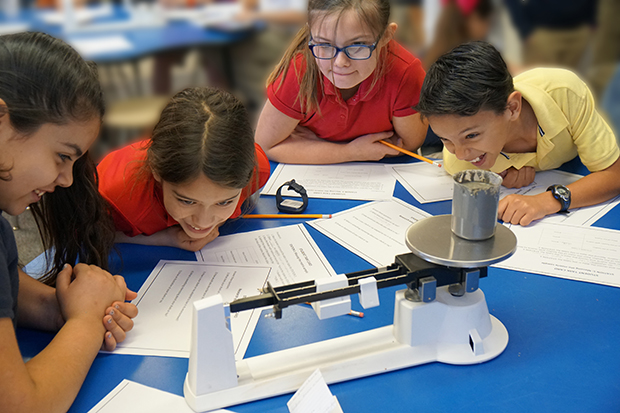
Example 1: Exploring Environmental Issues in Science
During a unit on environmental science, a fifth-grade teacher introduces students to various environmental issues such as pollution, deforestation, and climate change. To foster student agency, the teacher encourages students to choose an environmental issue that resonates with them. Each student researches their chosen topic, identifies potential solutions, and presents their findings to the class. As a class, they decide on one issue to address collectively. Students actively participate in planning and organizing an awareness campaign, including creating posters, organizing a school assembly, and writing letters to local authorities. This hands-on experience empowers students to take meaningful action on a cause they care about while applying their learning in a real-world context. Student agency in the Primary Years and Elementary Years will create a healthy appetite for learning in the sciences.
Example 2: Student-Created Literature Magazine
In a third-grade classroom during a unit on literature and storytelling, the teacher notices that students have a strong interest in writing and sharing their stories. The teacher seizes this opportunity to foster student agency. They propose the idea of creating a class literature magazine where students can contribute their original stories, poems, and artwork. Students enthusiastically embrace the idea and take on different roles in the project, such as editors, illustrators, and layout designers. They set deadlines, collaborate on feedback, and decide on the magazine’s title and cover design. The teacher guides and supports the students in the process, teaching them about the elements of storytelling and effective communication. At the end of the unit, the class proudly publishes their literature magazine, showcasing their creative talents and celebrating their agency in the learning process.
Example 3: Exploring Social Issues Through Art
During a unit on social issues and activism in a sixth-grade classroom, the teacher encourages students to explore topics that matter to them. One student becomes passionate about environmental conservation. The teacher empowers the student to take the lead in organizing an awareness-raising event for the school community. The student, with guidance from the teacher, plans and executes an “Environmental Awareness Day.” They invite guest speakers, organize workshops, and create informative displays around the school. The event not only raises awareness about environmental issues but also empowers the student to become an advocate for a cause they deeply care about.
Example 4: Creating a Historical Exhibit
In a fifth-grade history class, students are studying different periods of history, including World War II. Inspired by their study of the Berlin Wall and the idea of using art to convey messages, the teacher encourages students to delve deeper into historical events. Students are given the opportunity to choose a historical event or figure from their studies and create an exhibit. They work in small groups, researching their chosen topic, creating informative posters, and even designing interactive elements for their exhibit. The class transforms a section of their classroom into a historical museum, allowing other students and parents to visit and learn from their exhibits. This hands-on approach not only reinforces historical knowledge but also gives students agency in curating their own learning experiences.
Example 5: Empowering Student Decision-Making in Classroom Management
In a third-grade classroom, the teacher believes in giving students a voice in classroom management. To foster student agency, the teacher introduces a classroom jobs system where students take on roles like “Materials Manager,” “Line Leader,” and “Homework Helper.” These roles come with responsibilities and decision-making power. For instance, the “Line Leader” gets to choose the order in which students line up, and the “Homework Helper” can suggest strategies for completing homework. The teacher facilitates weekly class meetings, where students discuss issues, propose solutions, and vote on decisions related to classroom rules and activities. This approach not only empowers students to make choices but also teaches them the importance of responsibility and cooperation.
Example 6: Student-Initiated Community Improvement Projects
In a middle school social studies class focusing on civic engagement, students are encouraged to identify issues in their school community that they want to address. Inspired by their involvement in morning circles and class meetings, a group of students decides to tackle a problem related to the school’s outdoor spaces. They believe that there is a need for more recreational activities during recess. The teacher guides the students in conducting research, gathering input from classmates, and brainstorming creative solutions. With the teacher’s support, the students develop a proposal to improve the school’s outdoor areas, including adding new play equipment and organizing outdoor events. They present their proposal to the school administration, demonstrating their agency in making positive changes in their school environment.
Example 7: Student-Led Math Enrichment Projects
In a sixth-grade math class, the teacher aims to foster student agency by allowing students to explore math topics beyond the standard curriculum. To achieve this, the teacher introduces a “Math Enrichment Project” initiative. At the beginning of the school year, each student is encouraged to identify a math topic or concept that they are curious about and interested in studying further. These topics can range from advanced algebraic concepts to applications of math in everyday life.
Throughout the year, students work on their chosen math enrichment projects during designated class periods. The teacher acts as a facilitator, providing guidance, resources, and support as needed. Students are responsible for conducting research, exploring their chosen math topic in depth, and creating presentations or reports to share their findings with the class.
At the end of the year, there is a Math Enrichment Fair where students showcase their projects to their peers, parents, and the school community. This not only allows students to take ownership of their math learning but also encourages them to become active learners and explorers in the field of mathematics. It fosters a love for math and helps students see the real-world applications and relevance of mathematical concepts beyond the standard curriculum.
Example 8: Promoting Literacy Through Student-Run Book Clubs
In a fifth-grade class, the teacher seeks to promote student agency and a love for reading. To achieve this, the teacher introduces a “Student-Run Book Clubs” program. At the beginning of the school year, students are given the opportunity to select books of their choice from a diverse range of genres and reading levels. These books are provided by the school library or are selected based on student interests.
Students are then organized into small book clubs, each responsible for reading and discussing their chosen book. The teacher acts as a guide and facilitator, helping students with book selections, setting reading goals, and providing discussion prompts. However, the students take on leadership roles within their book clubs, such as discussion leader, summarizer, or illustrator.
During regular book club meetings, students engage in meaningful discussions about the books they are reading. They share their thoughts, ask questions, and analyze characters, themes, and plot developments. The teacher encourages critical thinking and deeper comprehension by asking open-ended questions.
At the end of each reading cycle, students have the opportunity to present their book to the class, explaining why they chose it, what they liked about it, and why they recommend it to others. This not only empowers students to take ownership of their reading choices but also enhances their literacy skills, including comprehension, analysis, and presentation abilities. It fosters a culture of independent reading and a love for literature in the classroom.
These strategies can help develop student agency in primary or elementary years through school teachers who create an environment where students are actively involved in their education and school community. They are fostering a sense of agency and ownership in their learning journey.
Student Agency in the Primary Years and Elementary Years can accelerate learning long term and make a love of learning sustainable.
Learn also about Student Agency in the Early Years
If you want to learn more about the steps required to set up a school check out some of our other articles:
– Steps to Setting Up a New School
– 10 Steps and Articles on How to Set Up a New School
– GSE International School Franchise Models
GSE provide specialist services to set up all forms of education institutions including international schools, kindergartens, vocational colleges, universities and online/virtual schools.
Contact Us Directly
About GSE
Global Services in Education plans and opens international schools for investors, developers and governments, and manages them once they are running. 39 school projects delivered across 16 countries. Management agreements run a minimum of ten years.
The company was founded in 2011 by Greg Parry and Shanna Parry.